Counselling
Available online, in Thornbury.
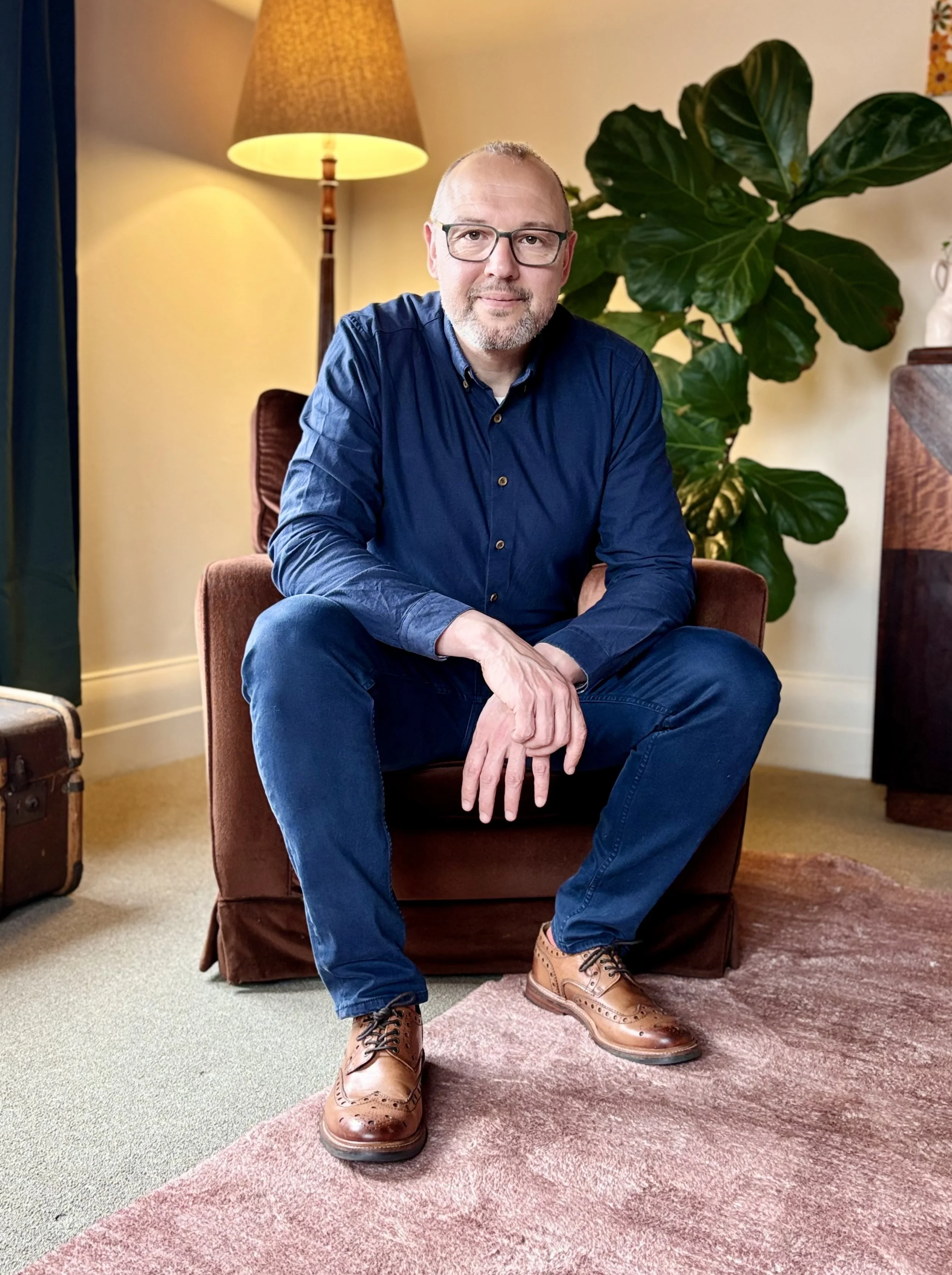
About Arnaud Domange
Bonjour, my name is Arnaud.
I am a PACFA-registered counsellor, having graduated from The Cairnmillar Institute with a double major in Psychology and Counselling (First Class Honours). I am continuing my professional pathway toward becoming a psychologist and am halfway through the Psychology Honours program (4th year).
My path to becoming a therapist has been shaped by early experiences of loss, addiction, and the enduring impact these can have on family systems. The death of my father in childhood, followed by my mother’s struggle with alcoholism and her later death, exposed me early to the ways trauma and unresolved emotion can reverberate through relationships over time. During a particularly difficult period in adolescence, the steady care of a neighbour offered a formative experience of being seen and supported when life felt overwhelming.
These experiences, alongside many years of professional work, have deeply informed my sensitivity to emotional distress, systemic pressure, and the quiet resilience people carry. Rather than defining my work, this background has strengthened my commitment to offering a therapeutic space grounded in care, emotional honesty, and respect for each person’s lived experience, where difficult realities can be approached thoughtfully and at a pace that feels safe.
Before training as a counsellor, I spent 17 years working within multidisciplinary medical teams in elite sport, supporting individuals under sustained physical, psychological, and performance pressure. This background continues to inform my embodied, integrative, and systems-aware approach to therapeutic work and my ongoing development toward psychology.
Alongside my private practice, I work in a residential private hospital, supporting individuals undertaking structured alcohol and other drug (AOD) rehabilitation programs. I also look after the Family Program, providing family therapy and individual counselling. This work often involves complex trauma histories, attachment disruption, and significant emotional distress, and has strengthened my capacity to remain grounded and present with intensity and complexity. I also volunteered for over three years as a crisis supporter and mentor with Lifeline, supporting people during moments of acute distress.

Therapeutic Approach
My therapeutic approach is Person-Centered, attachment-based, and psychodynamic, with a strong emotion-focused and body-aware orientation. I work in a direct yet respectful manner, helping individuals understand not only what they are struggling with but also why specific patterns, emotions, or difficulties recur.
Rather than focusing solely on symptom management, I aim to work with the underlying emotional, relational, and attachment-based processes that shape distress. This often involves gently exploring long-standing ways of coping, relating, or protecting oneself that may once have been necessary but now limit emotional freedom, intimacy, or a sense of self.
My work is informed by Intensive Short-Term Dynamic Psychotherapy (ISTDP) principles (currently in core training), alongside broader psychodynamic processes, humanistic and Acceptance and Commitment Therapy (ACT). While my approach is integrative, I pay close attention to emotional blocks, anxiety, and defensive patterns as they arise in the present moment. This allows emotional material to be approached carefully, at a pace that respects each person’s capacity and nervous system.
In sessions, I attend closely to language, emotional shifts, and somatic cues—such as changes in breath, tension, facial macro-movements, or posture—which often communicate feelings that are difficult to access directly. Working with these cues helps keep therapy grounded, embodied, and connected to lived experience rather than remaining purely intellectual.
At the centre of my work is the therapeutic relationship. I understand therapy to be most effective when there is a genuine sense of safety, trust, and emotional presence, both in the relationship with the therapist and in the relationship a person has with themselves. I aim to meet each client with authenticity, curiosity, and empathic understanding, creating a space where vulnerability can emerge naturally and without pressure. Within a respectful and attuned relationship, difficult experiences can be felt, understood, and integrated in ways that support meaningful and lasting change.
I work non-diagnostically, prioritising understanding over labels, and aim to create a therapeutic space that feels safe, collaborative, and emotionally honest. Therapy is not about forcing change, but about creating the conditions in which change can emerge naturally through understanding, emotional processing, and self-compassion.
Warmly,
Arnaud